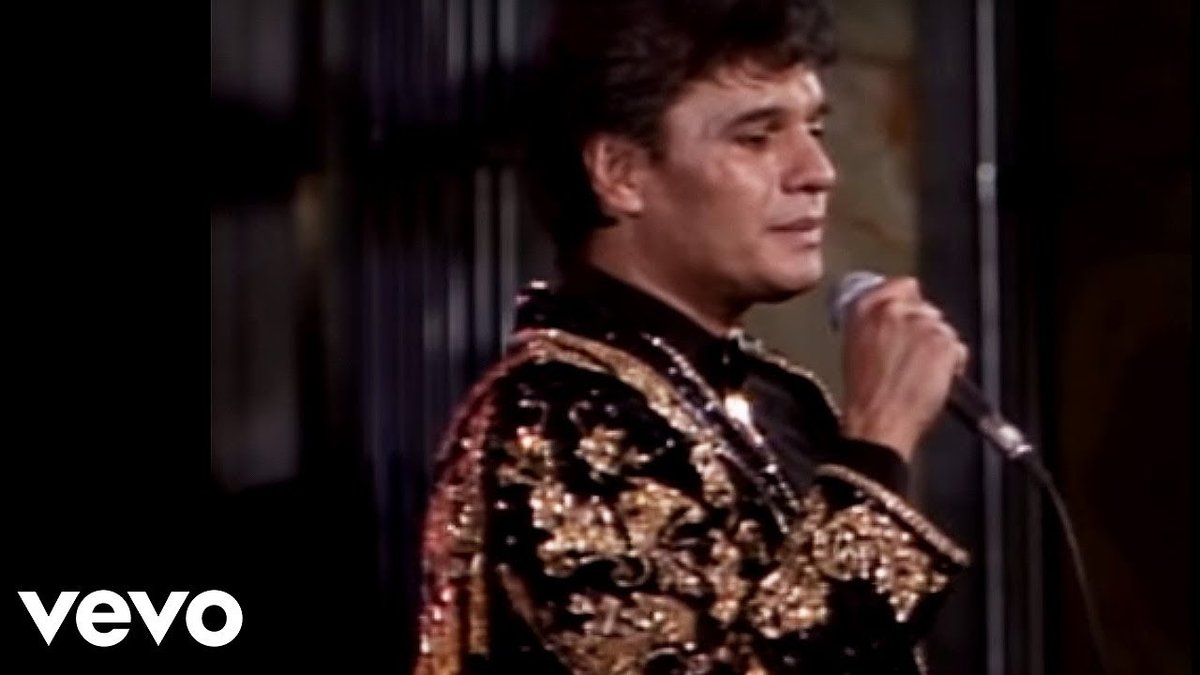
Some songs don't just become hits; they become part of the cultural fabric, etched into the collective memory of generations. Juan Gabriel's "Hasta Que Te Conocí" ("Until I Met You") isn't merely a classic; it's a monumental pillar of Latin American music, a track whose cultural resonance and legacy continue to unfold decades after its release. It's a testament to raw emotion, unparalleled songwriting, and an enduring melody that transcends genres and borders.
When we talk about timelessness in music, we often refer to songs that manage to speak to different eras, different people, and different emotional states. "Hasta Que Te Conocí" does all of this with a profound grace, telling a story of love, pain, and transformation that remains as potent today as it was in 1986.
At a Glance: The Enduring Power of "Hasta Que Te Conocí"
- Original Icon: Penned and performed by the legendary Juan Gabriel, released in 1986.
- Emotional Core: Lyrically, it’s a poignant tale of suffering and self-discovery through a challenging romantic relationship, resonating deeply with universal human experience.
- Chart Domination: The original reached #2 on Billboard Hot Latin Songs in 1987, with live versions and covers consistently hitting the charts for decades.
- Genre-Defying Appeal: Successfully covered across salsa (Marc Anthony), rock (Maná), merengue, and even sampled, proving its adaptable musicality.
- Critical Acclaim: Hailed as a "classic" by critics and showered with industry awards for both its original form and subsequent interpretations.
- Cultural Staple: More than just a song, it's a narrative deeply woven into the cultural tapestry of the Spanish-speaking world, played at countless gatherings and etched into personal histories.
The Maestro's Touch: Birth of an Anthem
To understand the immense impact of "Hasta Que Te Conocí," we must first acknowledge its genesis in the genius of Juan Gabriel. Known affectionately as "El Divo de Juárez," Juan Gabriel was not just a singer; he was a phenomenon – a prolific songwriter, producer, and performer whose artistry touched millions. His ability to craft melodies that felt instantly familiar and lyrics that articulated the most complex human emotions was unparalleled. You can delve deeper into his fascinating life story and musical journey through Juan Gabriels Life Story.
"Hasta Que Te Conocí" first graced the world in 1986 as a single from his highly anticipated album, Pensamientos. From the first melancholic piano chords in D minor, it was clear this wasn't just another song. It was a narrative, a confession, a soul laid bare. The lyrics, penned by Gabriel himself, describe a protagonist whose life was seemingly idyllic, free from sorrow, until a tumultuous encounter with a lover introduced them to the true meaning of suffering. It’s a powerful narrative arc, one that many have experienced in their own lives: the moment an intense relationship shatters preconceived notions of happiness and introduces a profound emotional depth, often painful, previously unknown.
The original recording, characterized by Gabriel's signature vocal delivery—a blend of vulnerability and dramatic flair—quickly captivated audiences. It wasn't just the melody or the lyrics; it was how Juan Gabriel sang it, pouring his heart into every note, making the listener feel every ounce of the protagonist's journey from blissful ignorance to painful enlightenment.
Charting a Course to Stardom: The Original's Ascent
The immediate success of "Hasta Que Te Conocí" was undeniable. In 1987, Juan Gabriel's version soared to number two on the prestigious Billboard Hot Latin Songs chart in the U.S. This was no small feat, particularly as it was held off from the top spot only by Braulio's equally powerful "En Bancarrota." More impressively, it cemented its place as the fourth best-performing Latin single in the United States that year, a clear indicator of its widespread appeal and critical reception right out of the gate.
Its popularity wasn't a fleeting moment either. A live version from his iconic 1990 album, En el Palacio de Bellas Artes, a concert widely regarded as a watershed moment in Latin music history, further demonstrated the song's enduring power, peaking at number ten on the Hot Latin Songs chart. This live rendition, often more raw and passionate, introduced the song to a new wave of fans and solidified its reputation as a live performance staple. Critics like Jason Birchmeier of Allmusic didn't hesitate to label the song simply as a "classic"—a title it has effortlessly maintained.
Even decades later, Juan Gabriel continued to honor its significance, performing it at the 10th Latin Grammy Awards, an event where he was rightfully honored with the Latin Recording Academy Person of the Year award. His 2015 duet with Joy Huerta of Jesse & Joy for his Los Dúo album further showcased its versatility and appeal to contemporary artists, allowing a new generation to discover its emotional depth through a fresh, collaborative lens.
The Art of Reinvention: How Covers Cemented its Legacy
One of the most definitive markers of a truly classic song is its ability to be reinterpreted by other artists, not just as a tribute, but as a fresh musical statement. "Hasta Que Te Conocí" has proven itself to be a remarkably fertile ground for such reinvention, with several covers achieving significant success and introducing the song to entirely new audiences and genres. These interpretations didn't just reproduce the original; they expanded its universe.
Marc Anthony's Salsa Sensation
Perhaps one of the most iconic transformations came from the formidable voice of Marc Anthony. In 1993, Anthony included "Hasta Que Te Conocí" on his debut studio album, Otra Nota. His decision to record it in a salsa arrangement after hearing it on the radio was a stroke of genius, injecting the ballad's melancholic narrative with the vibrant, passionate rhythms of tropical music.
Anthony's rendition was a massive hit, peaking at number thirteen on the Billboard Hot Latin Songs chart. It wasn't just a commercial success; it was a critical one, showcasing Anthony's unparalleled vocal prowess. Evan Gutierrez of Allmusic lauded Anthony's take, citing it as an exemplary demonstration of his "edgy improvisation and wide vocal range." The transformation was so profound and well-received that Juan Gabriel himself received an American Society of Composers, Authors and Publishers (ASCAP) Latin award in 1994 in the Tropical/Salsa Category for Anthony's cover. It even garnered a nomination for Tropical Song of the Year at the 1994 Lo Nuestro Awards, solidifying its place as a genre-defining cover.
This cover did more than just sell records; it proved that the song's core emotional message was powerful enough to transcend its original musical setting. It showed that the suffering and transformation described in the lyrics could be felt just as profoundly on the dance floor as in a reflective moment.
Maná's Rock Anthemia
Two decades after Anthony's version, Mexican rock giants Maná took their turn, releasing their cover of "Hasta Que Te Conocí" as a single on June 26, 2012, for their greatest hits album Exiliados en la Bahía: Lo Mejor de Maná. Their interpretation was a testament to the song's versatility, adapting the ballad into a soaring rock anthem.
Maná's version was an instant triumph, demonstrating the song's enduring appeal across generational and genre lines. It reached number one on both the Billboard Hot Latin Songs and Latin Pop Songs charts in the U.S., and hit number three on the Mexican Airplay Chart. This success highlighted the song's ability to connect with a contemporary rock audience without losing its fundamental essence. Critics were quick to praise it; David Jeffires of Allmusic called it an "excellent, heartfelt take," while Carlos Quintana of About.com labeled it "one of the very best songs."
Like Anthony's cover, Maná's rendition also received significant industry recognition, including a nomination for Record of the Year at the 2012 Latin Grammy Awards and Rock/Alternative Song of the Year at the 2013 Lo Nuestro Awards. Again, Juan Gabriel received an ASCAP Latin award in 2013, this time in the pop category, underscoring his lasting impact as a songwriter whose compositions continued to generate success for others.
A Tapestry of Interpretations: Other Notable Covers
The story of "Hasta Que Te Conocí" is also woven with numerous other covers that further illustrate its broad appeal and adaptability:
- Roberto del Castillo delivered a merengue version on Justo a Tiempo (1987), which reached number eleven on Hot Latin Songs, showing its swift integration into Caribbean rhythms.
- Ana Gabriel's live cover on En Vivo (1990) resonated with audiences, peaking at number twenty-five on Hot Latin Songs, showcasing a female perspective on the powerful lyrics.
- Raúl di Blasio's instrumental version on Piano de America, Vol. 2 (1994) even featured Juan Gabriel himself performing the vocals, charting at number thirty-six on Hot Latin Songs and proving the melody's strength even in a more classical setting.
- Pilar Montenegro included a version featuring rapper Voltio on her album South Beach (2005), hinting at its potential for urban cross-pollination.
- In a clever and modern twist, Mexican recording artist Anahí sampled the record on her 2009 song "Hasta Que Me Conociste" ("Until You Met Me") from her album Mi Delirio. This wasn't just a cover, but a direct "response" to the original composition, showing its continued relevance as a conversational piece within popular culture.
Each of these interpretations, whether a chart-topper or a niche gem, adds another layer to the song's legacy, demonstrating its inherent capacity to be remade, reimagined, and re-felt by successive generations of artists and listeners.
Why Does It Still Resonate? The Anatomy of Timelessness
Beyond the charts and the awards, the true measure of "Hasta Que Te Conocí" lies in its timeless appeal. What exactly makes a song released in the mid-1980s still feel so fresh, so relevant, so profoundly moving today?
1. Universal Lyrical Themes: Love, Loss, and Self-Discovery
At its heart, "Hasta Que Te Conocí" taps into emotions that are universally human. The narrative of encountering a love that profoundly changes you, often through pain and suffering, is a story as old as time itself. The lyrics speak to:
- Naive Innocence Lost: The protagonist describes a life free of sorrow before this transformative relationship. It's a poignant reflection on how some experiences indelibly alter our understanding of the world.
- The Depth of Emotion: The song doesn't shy away from the intensity of human feeling, exploring how love can expose vulnerabilities and introduce profound emotional landscapes.
- Transformation Through Adversity: While painful, the experience leads to a deeper understanding of life and oneself. This journey from ignorance to enlightenment, however bittersweet, is a powerful and relatable one.
Juan Gabriel, with his poetic sensibility, articulated these complex feelings in a way that is both specific enough to feel personal and broad enough to apply to countless individual experiences.
2. A Masterclass in Melody and Arrangement
The musicality of "Hasta Que Te Conocí" is undeniably sophisticated. The D minor key immediately sets a melancholic, reflective tone. The progression is classic and impactful, building from tender intimacy to sweeping orchestral drama. Juan Gabriel's compositional skill allowed for a melody that is both memorable and adaptable.
- Emotional Arc: The song's structure perfectly mirrors its lyrical journey, with dynamic shifts that pull the listener through moments of quiet contemplation to powerful emotional outbursts.
- Instrumental Richness: The original recording features lush instrumentation that enhances the dramatic weight of the lyrics without overpowering them.
- Adaptability: The strong, clear melodic lines and chord structure make it highly adaptable to different genres, as evidenced by its successful transformations into salsa, rock, and merengue. This is why artists from diverse backgrounds can take the song and infuse it with their unique style while preserving its core identity.
3. Juan Gabriel's Unmatched Performance and Persona
It's impossible to separate the song from the artist. Juan Gabriel's interpretation of his own composition is definitive. His voice, his dramatic stage presence, and his ability to convey deep emotion made the song an experience, not just a listening event.
- Authenticity: There was an undeniable authenticity in Gabriel's performances that made listeners believe every word, every note. He sang from a place of lived experience, making the song feel incredibly personal.
- Connection with Audience: Juan Gabriel had a unique ability to connect with his audience, transcending the role of a performer to become a shared emotional conduit. "Hasta Que Te Conocí" was a prime example of this connection.
- Cultural Icon: As "El Divo," Juan Gabriel's own story and larger-than-life persona imbued his songs, especially this one, with an extra layer of cultural significance. He was a voice for many, and his vulnerabilities became their own.
Addressing Common Questions and Misconceptions
Despite its widespread acclaim, certain aspects of "Hasta Que Te Conocí" might be misunderstood.
Is "Hasta Que Te Conocí" just a sad song?
While it certainly carries a melancholic tone and speaks of suffering, calling it "just" a sad song misses its profound depth. It's more accurately a song about emotional awakening through hardship. It's about a transformative experience that, while painful, leads to a deeper understanding of life and self. It acknowledges sorrow but often implies growth and a richer emotional landscape as a result. Many listeners find solace and understanding in its narrative, rather than just sadness.
Does its popularity mean it's only for older generations?
Absolutely not. While deeply cherished by those who grew up with Juan Gabriel, the constant stream of successful covers, particularly by artists like Maná, Marc Anthony, and even the sampling by Anahí, proves its cross-generational appeal. Each new cover introduces the song to younger audiences within their preferred genre, allowing them to connect with its universal themes in a fresh context. Its continued presence in popular culture, from streaming playlists to movie soundtracks, ensures its relevance to all ages.
Is it only popular in Mexico?
While Juan Gabriel is a Mexican icon, and the song has deep roots there, its resonance stretches far beyond. Its chart success in the U.S. (across multiple versions), its wide acclaim throughout Latin America, and its recognition at international awards demonstrate its broad appeal across the Spanish-speaking world and beyond. The themes it explores are universal, transcending geographical boundaries.
The Enduring Legacy: A Song That Keeps Giving
The cultural resonance and legacy of "Hasta Que Te Conocí" are not static; they are continually evolving. This isn't just a song that was popular; it's a song that continues to be popular, influential, and deeply meaningful.
It stands as a testament to the power of extraordinary songwriting and performance. It reminds us that some stories, when told with honesty and musical brilliance, possess an inherent timelessness. Juan Gabriel gave us a gift with this song—a profound reflection on the intricate dance between love and pain, and the surprising ways they shape who we become. It’s a cultural touchstone, a narrative that has been sung in countless voices and felt in countless hearts, and it shows no signs of fading.
In a world constantly seeking the next new sound, "Hasta Que Te Conocí" serves as a powerful anchor, a reminder of the enduring magic of music that speaks directly to the soul, promising to resonate with generations yet to come. Its melody and message will continue to echo, a permanent fixture in the soundtrack of life, until we meet the end of time itself.