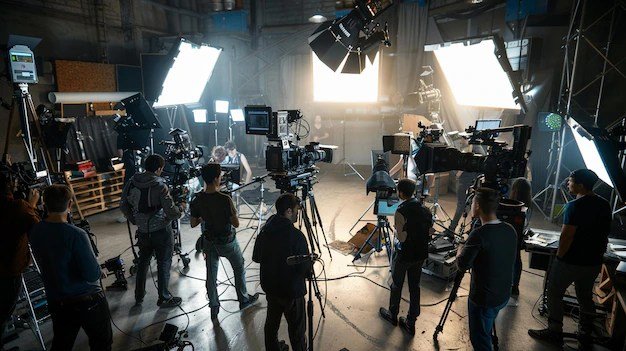
The hum of a guitar amp, the crisp snap of a snare drum, the raw emotion of a vocal take—these are the ingredients. But the magic? That’s cooked up in the studio, a place where art meets science, and vision solidifies into sound. If you've ever wondered how your favorite track goes from a simple idea to a fully polished sonic experience, you're about to go Behind the Scenes: Production & Recording of the Song. It's a journey filled with technical wizardry, creative breakthroughs, and a whole lot of human touch.
From the initial spark of a melody to the final, shimmering master, bringing a song to life in the recording studio is a complex dance. It’s a process that requires a sharp ear, a visionary mind, and a deep understanding of how sound works. Ready to pull back the curtain?
At a Glance: The Song's Journey from Idea to Anthem
- Pre-Production is Your Blueprint: Before a single note is recorded, artists and producers meticulously plan the song's structure, mood, and arrangement.
- Recording is the Capture: Instruments and vocals are meticulously tracked, often layer by layer, in a controlled acoustic environment.
- Mixing is the Sculpture: Individual tracks are blended, balanced, and enhanced with effects to create a cohesive, powerful sound.
- Mastering is the Polish: The final mix gets its last shine, optimized for playback across all devices and ready for the world.
- The Producer is the Visionary: This central figure guides the entire process, shaping the sound, performance, and overall artistic direction.
- Teamwork Makes the Dream Work: Collaboration between artists, producers, and engineers is crucial for bringing diverse perspectives to the table.
- Technology Empowers: Digital tools and affordable gear have revolutionized access, but human creativity remains at the core.
The Architect of Sound: What a Music Producer Really Does
Imagine a film director. Now, transpose that role into the audio realm, and you've got the music producer. This isn't just someone who pushes buttons; they are the mastermind, the guide, the visionary, and often, the problem-solver who oversees the entire production, from the first demo to the final mix. A great producer doesn't just record a song; they help create it.
Producers possess an almost uncanny ability to hear a song not just for what it is, but for what it could be. They identify strengths and weaknesses in a composition, making crucial decisions on arrangement, instrumentation, tempo, key, and dynamics. Does the bridge need more energy? Should that guitar part be doubled? Is the chorus hitting hard enough? These are the kinds of questions a producer constantly asks and answers.
Beyond the creative, there's a significant technical component. Producers require expertise in recording, mixing, and mastering principles, even if they don't personally execute every technical task. They work hand-in-hand with engineers to ensure top-notch sound quality, understanding the nuances of microphones, soundboards, and digital audio software. They might even get involved in picking the perfect microphone for a specific vocal or instrument to capture its essence.
Many producers also act as co-writers or arrangers, helping to flesh out melodies or harmonies. They might suggest specific session musicians or vocalists whose unique talents would elevate a track, fostering an environment where artists can truly shine. Think of how a producer's touch can define an artist's sound, like the meticulous guidance behind the legendary hits of artists such as Juan Gabriel, shaping their sonic legacy. It’s a role that demands a blend of artistic intuition, technical prowess, and psychological finesse.
Laying the Foundation: Pre-Production – More Than Just a Rough Draft
Before a single fader is touched or a microphone is set up in a dedicated space, there's pre-production. This is arguably the most critical planning and conceptualization stage, where the song's blueprint is meticulously drawn. Think of it as rehearsing the play before the actors ever step on stage for filming.
During pre-production, the producer and artist sit down to refine every aspect of the song. This includes:
- Song Structure: Is it verse-chorus-verse? Does it have a bridge, a pre-chorus, an outro? Understanding the flow helps guide the recording process.
- Arrangement: Which instruments play when? What's the role of each part? Sometimes, a simple guitar riff can be transformed into an orchestral swell with careful planning.
- Instrumentation: Deciding on the sonic palette. Will it be acoustic, electronic, or a hybrid? Are strings needed? A brass section?
- Vision & Mood: This is where the creative heart of the song is discussed. What genre does it fit? What emotion should it evoke? Is it dark and brooding, or light and joyful? This shared vision ensures everyone is working towards the same goal.
Often, this stage involves experimenting with rough demos. These aren't meant to be perfect; they're sketches, sonic brainstorming sessions to try out different tempos, keys, or melodic variations. Rehearsals are also key, allowing musicians to internalize their parts and develop the groove as a unit. This groundwork prevents costly mistakes and time-consuming re-takes once the expensive studio clock starts ticking. It sets the solid foundation for a successful recording and, ultimately, a compelling final product.
Capturing the Core: The Recording Session – From Mic to Mix
This is where the sound waves are actually captured and transformed into digital (or analog) data. The recording process is a meticulous dance between musicians, engineers, and producers, each playing a vital role in ensuring every nuance of a performance is perfectly preserved.
The typical flow looks something like this:
- Setting Up: Microphones are carefully chosen and positioned for each instrument and vocal. This isn't a one-size-fits-all approach; a kick drum needs a different mic and placement than a delicate acoustic guitar or a powerful vocalist. Acoustic treatment in the studio helps control reflections and echoes, ensuring a clean capture.
- Tracking the Rhythm Section: Often, the drums and bass are recorded first. These instruments form the rhythmic backbone of the song, and getting a solid, tight performance here is paramount. Sometimes, a "scratch" guide vocal or guitar track is recorded alongside to give the rhythm players something to react to.
- Layering Other Instruments: Once the rhythm is locked in, other instruments like guitars (acoustic and electric), keyboards, strings, or synthesizers are added. Each instrument is recorded on its own separate track, providing maximum flexibility later during the mixing stage. This layering allows for rich, complex arrangements.
- Vocals – The Heart of the Song: Finally, the lead and backing vocals are recorded. This is often the most personal and emotionally charged part of the session. Artists might perform multiple takes to get the perfect pitch, timing, and most importantly, the right feeling. Producers are crucial here, coaching vocalists to extract their best performance. Sometimes, different sections are pieced together (comping) from various takes to create one flawless vocal track.
The Rise of the Digital Studio:
Today, the vast majority of recording happens within a Digital Audio Workstation (DAW) like Pro Tools, Logic Pro, Ableton Live, or FL Studio. These powerful software environments allow engineers and producers to record, edit, manipulate, and organize countless audio tracks with incredible precision. They've democratized the recording process, making sophisticated production tools accessible to independent artists and home studios. Understanding the ins and outs of these platforms is key for modern music creation, and delving into a comprehensive guide to digital audio workstations can significantly boost one's production capabilities.
Furthermore, DAWs and cloud-based collaboration platforms have made remote work not just possible, but common. Musicians can record their parts in different cities or even continents and seamlessly share files, fostering a truly global and diverse sound.
Sculpting the Sound: The Art of Mixing
Once all the individual tracks are recorded—from the kick drum to the lead vocal—they sound like a collection of separate pieces. The mixing stage is where these pieces are skillfully blended and sculpted into a cohesive, balanced, and emotionally resonant whole. This is the realm of the mixing engineer, working in close collaboration with the producer.
The goal of mixing is multifaceted:
- Balance: Ensuring every element can be heard clearly without any instrument or vocal dominating others unless intentionally designed to do so. This involves adjusting volume levels (gain staging) for each track.
- Clarity: Making sure each sound occupies its own space in the sonic landscape. This often involves Equalization (EQ), where specific frequencies are boosted or cut to shape the tone of an instrument. For instance, you might cut muddy low-mids from a guitar to let the bass guitar breathe, or boost high frequencies on a vocal to add sparkle.
- Space & Depth: Creating a sense of dimension. Panning places sounds in the stereo field (left to right), giving the impression of instruments spread across a stage. Effects like reverb (simulating acoustic spaces) and delay (echoes) add depth, atmosphere, and excitement. A touch of reverb can make a vocal feel soaring, while a short delay can give a guitar riff more punch.
- Dynamics: Controlling the loudness variations within a track. Compression reduces the difference between the loudest and quietest parts, making the sound more consistent and powerful. Too much compression, however, can make a track sound lifeless.
- Excitement: Using automation to create movement and interest. This might involve subtly changing the volume of a guitar solo as it progresses, or gradually increasing the reverb on a vocal during a particularly emotional line.
The mixing engineer's job is not just technical; it's deeply artistic. They use their ears and experience to make countless micro-decisions that ultimately determine the "feel" of the song. A great mix can make a good song sound incredible, ensuring that each element supports the overall narrative and emotional impact. Learning about advanced mixing and mastering techniques is a continuous journey for any audio professional.
The Final Polish: Mastering – Ready for the World
After the mix is complete and approved, it moves to the final stage: mastering. This is the ultimate polish, the last critical step to prepare the song for distribution across various platforms and playback systems. While mixing focuses on the individual elements within a song, mastering looks at the song as a whole, and often, an entire album as a cohesive body of work.
The mastering engineer, typically a specialist with a highly calibrated studio and an incredibly discerning ear, performs several crucial tasks:
- Overall Sound Enhancement: Subtle EQ adjustments are made to the entire mix, not individual tracks, to refine the song's tonal balance. This might involve adding a touch of warmth or sparkle that wasn't quite achieved in the mix.
- Dynamic Range Optimization: Dynamic range compression is applied carefully to control the overall loudness and punch of the track. The goal is to make the song sound "loud enough" and competitive with other commercial releases without crushing its dynamics and making it sound flat. This is a delicate balance, particularly in the era of streaming and the "loudness wars."
- Stereo Widening & Imaging: Tools might be used to subtly enhance the stereo width and depth, making the song sound bigger and more immersive.
- Consistency Across Systems: A mastering engineer checks the track on various high-quality playback systems (speakers, headphones) to ensure it translates well everywhere—from earbuds to car stereos to club sound systems. They're looking for any harsh frequencies, imbalances, or distortion that might become apparent on different setups.
- Sequencing & Spacing (for albums): If it's an album, the mastering engineer ensures a consistent sound and loudness across all tracks, and also sets the precise gaps and fades between songs for a seamless listening experience.
- Metadata & Delivery: Finally, they embed essential metadata (artist, title, album, etc.) and export the track in the correct high-resolution formats for digital distribution, CD manufacturing, or vinyl pressing.
Mastering is often described as the "invisible art" because a well-mastered track simply sounds professional and consistent, without drawing attention to the process itself. It's the final quality control check that ensures your music sounds its absolute best, ready to make its impact on listeners worldwide.
The Dream Team: Collaboration in the Studio
Behind every great song is a network of talent and a spirit of collaboration. Music production is rarely a solo endeavor; it's a dynamic ecosystem where different perspectives converge to create something greater than the sum of its parts.
The core team typically includes:
- The Artist/Songwriter: The original visionary, bringing the raw material—melodies, lyrics, and emotional intent. Their performance is the heart of the recording.
- The Producer: As discussed, the overall guide and sonic architect, shaping the artistic direction and overseeing the technical execution.
- The Recording Engineer: The technical expert who operates the studio equipment, ensures proper mic placement, manages levels, and captures clean audio. They are the guardians of sound quality during the recording phase.
- The Mixing Engineer: Specializes in blending and sculpting the recorded tracks into a cohesive mix.
- The Mastering Engineer: The final arbiter of sound quality and distribution readiness.
- Session Musicians/Vocalists: Often brought in for their specific expertise (e.g., a virtuosic guitarist, a powerful backup singer) to elevate particular parts of the song.
This teamwork brings together diverse skills, creative ideas, and problem-solving approaches. A producer might push an artist to explore a different vocal delivery, while an engineer might suggest a unique microphone technique, or a session drummer might offer a groove that changes the entire feel of a track. This creative friction, when managed well, results in a more dynamic, unique, and ultimately, a more impactful sound. Strong collaboration also plays a significant role in artist development strategies, helping emerging talents find their voice and refine their craft.
Game Changers: How Technology Transformed Music Production
The journey of music production has been dramatically reshaped by technological advancements. What once required million-dollar studios and racks of analog gear can now be achieved with a powerful laptop and a few key pieces of equipment.
- Digital Audio Workstations (DAWs): As mentioned, DAWs are the undisputed champions of modern production. They offer unparalleled editing capabilities, virtual instruments, and an infinite number of tracks. This has significantly lowered the barrier to entry, allowing independent artists and home studio enthusiasts to produce professional-quality music.
- Affordable High-Quality Equipment: Microphones, audio interfaces, studio monitors, and MIDI controllers that once cost a fortune are now available at various price points, making a functional home studio a realistic dream for many.
- Plugins and Virtual Instruments: Software plugins simulate the sound of classic analog gear (compressors, EQs, reverbs) and provide access to a vast library of virtual instruments (synthesizers, drums, orchestral libraries) without needing physical hardware.
- Online Collaboration Platforms: Tools like Splice, WeTransfer, and cloud-based DAWs allow musicians and producers to collaborate across different locations, breaking down geographical barriers. This has fostered an explosion of diverse and global sounds, bringing together talents from all corners of the world.
- Artificial Intelligence (AI): Emerging AI tools are starting to assist in tasks like mastering, generating backing tracks, or even correcting pitch and timing with uncanny accuracy, though they are still primarily seen as assistive rather than fully autonomous creative forces.
While technology has undoubtedly made production more accessible and efficient, it's crucial to remember its role. It's a powerful tool, not a replacement for creativity, vision, and the human touch. The core principles of songwriting, performance, and understanding emotion remain absolutely essential. The evolving landscape of music industry trends is heavily influenced by these technological shifts.
Beyond the Studio: The Enduring Impact of Music Production
Music production is far more than just a technical process; it's a profound cultural force. The decisions made in a recording studio ripple outwards, influencing listeners, artists, and the entire music industry.
- Evoking Emotions and Telling Stories: Production choices—the reverb on a vocal, the punch of a drum beat, the texture of a synth pad—are all designed to amplify the song's emotional core and narrative. They guide the listener through the story the artist wants to tell.
- Shaping Genre Sounds: Producers and engineers often define the sonic characteristics of entire genres. Think of the crisp, clean sound of 80s pop, the raw energy of early rock, or the intricate layering of modern electronic music. Production techniques are integral to a genre's identity.
- Influencing the Music Industry's Direction: Innovations in production can spark new trends, create new sonic aesthetics, and even inspire new artists to push creative boundaries. The availability of accessible production tools has also fueled the independent music movement, empowering artists to bypass traditional gatekeepers.
- Economic Growth and Employment: The music production ecosystem generates significant employment. Beyond the producers, engineers, and session musicians, there are studio managers, equipment manufacturers, software developers, educators, and countless others whose livelihoods depend on this intricate process. It's a vital engine of the creative economy.
Ultimately, music production brings people together. It creates soundtracks for our lives, provides solace, sparks joy, and builds communities around shared sonic experiences. It transforms ephemeral ideas into enduring works of art that resonate across generations.
Your Studio Questions, Answered
Navigating the world of music production can bring up a lot of questions. Here are a few common ones:
Do I need a multi-million dollar studio to produce professional music?
No, absolutely not. While high-end commercial studios offer unparalleled acoustics and equipment, many successful artists today produce professional-quality music from home studios. With modern DAWs, affordable interfaces, and good quality microphones, you can achieve excellent results. What's more important than the gear is the skill of the producer and engineer.
Can I produce my own music without hiring a producer?
Yes, many independent artists self-produce. However, it's a steep learning curve that requires developing a keen ear, understanding audio engineering principles, and being able to make objective creative decisions about your own work—which can be challenging. A good producer brings an outside perspective and specialized expertise that can elevate your music significantly.
What's the difference between mixing and mastering?
Think of it this way: mixing is like baking a cake. You combine all the ingredients (individual tracks), adjust their proportions (volume, EQ), and add flavor (effects) to create a delicious, cohesive dessert. Mastering is like plating the cake, ensuring it looks perfect, is presented consistently, and tastes just right before it's served to guests. Mixing works on the individual elements within a song; mastering works on the final mixed song as a whole, preparing it for distribution.
How long does it take to produce a song?
It varies wildly. A simple acoustic track might take a few days of recording and a day or two for mixing/mastering. A complex, multi-layered pop song could take weeks or even months of intensive work across all stages. The experience of the team, the complexity of the arrangement, and the artist's vision all play a role.
Ready to Make Some Noise? Your Next Steps
Stepping into the world of music production can feel overwhelming, but it's an incredibly rewarding journey. Whether you're an aspiring artist looking to bring your songs to life, a budding producer dreaming of shaping sounds, or simply a curious listener, understanding this "behind the scenes" process deepens your appreciation for the art form.
Here’s what you can do to take your next step:
- Listen Actively: Pay attention to the production of your favorite songs. Can you identify the different instruments? How does the vocal sit in the mix? What effects are being used?
- Experiment: If you're an artist, start with basic demos. Even a phone recording can help you refine your song's structure and arrangement in the pre-production phase.
- Learn the Tools: Dive into a free DAW like GarageBand or Audacity, or explore trials of professional software. Watch tutorials, read articles, and start experimenting with recording your own voice or an instrument.
- Connect: Reach out to local musicians, producers, or engineers. Many are passionate about their craft and happy to share insights. Collaboration is at the heart of music.
The studio is a place of endless possibilities, where sound transforms into emotion, and ideas become reality. Armed with this knowledge, you're now more than just a listener—you're an informed witness to the captivating alchemy that creates the music we love.